Upgrading the brake booster on a VW T3
Published January 29, 2023 Updated July 18, 2026 By Gonzalo Solaz
Learn about the author’s experience and limitations. About the author
A while ago I read that it was relatively straightforward to swap out the VW T3 brake booster and fit a BMW E30 one, and that this significantly improved the braking system. So I did some research and decided to fit it, as it does indeed improve braking performance.
Table of contents
- What is a brake booster?
- VW T3 brake booster: how to improve it?
- Installing a BMW E30 brake booster in a VW T3
- Please note: check this
What is a brake booster?
First of all, we need to understand what a brake booster is for. It is a component within the braking system that helps or assists us when braking, boosting braking power and significantly reducing the force you need to apply with your leg to stop or slow down the vehicle. In other words, the brake booster won’t improve the braking performance of our van. What it does is improve braking power whilst requiring less effort on our part.
VW T3 brake booster: how can it be upgraded?
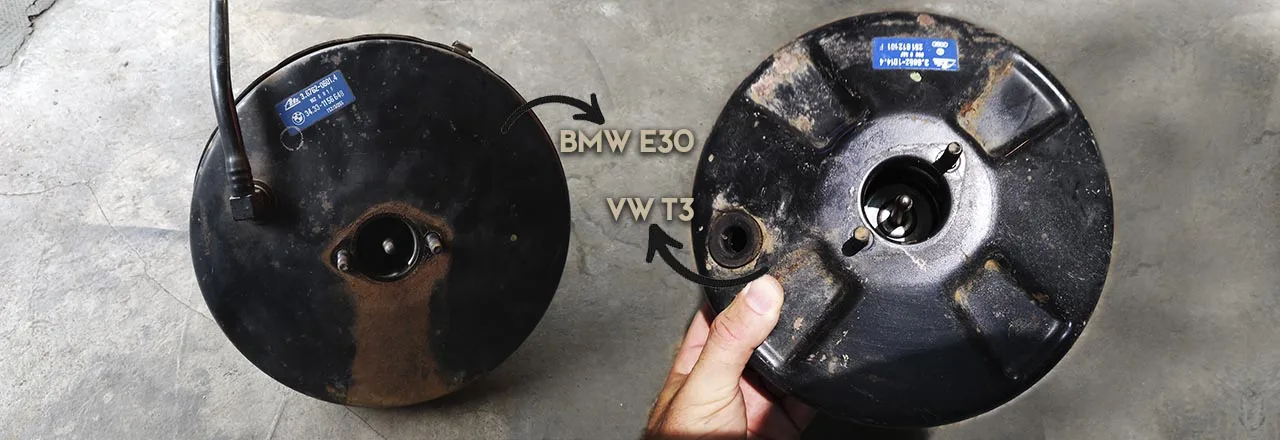
The VW T3 brake booster measures 9 inches. This can be upgraded by replacing it with a 10-inch unit from a BMW E30. With that extra inch, it is said to reduce the force we apply to the pedal by the equivalent of 20 per cent. Any BMW E30 brake booster will do, except for the one from the M3, and it isn’t very expensive on the second-hand market.
Installing a BMW E30 brake booster in a VW T3
Is it easy to replace the brake booster on a VW T3? Well, I’d say it’s a moderately difficult job – not too complicated, but you do need a few tools, to be handy and to have a bit of a knack for it.
In my case, it was easier because I’d already removed the entire dashboard, which makes access much easier and removal much more straightforward.
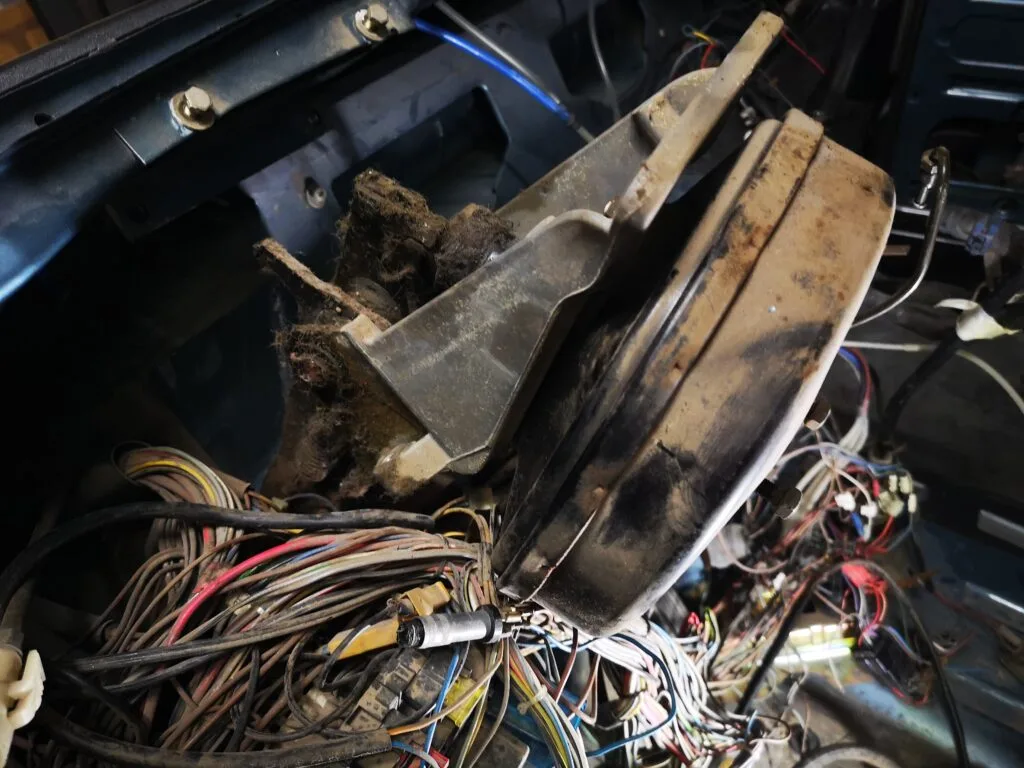
By the way, look at how filthy my brake booster was:
Now that the VW T3 brake booster is out, the first thing to do is measure the distance between the base and the end of the fork. This distance will be approximately 11 cm. It’s very important to measure this distance, as you’ll need to set the new brake booster to the same measurement. This will ensure that the pedal travel remains the same as before.
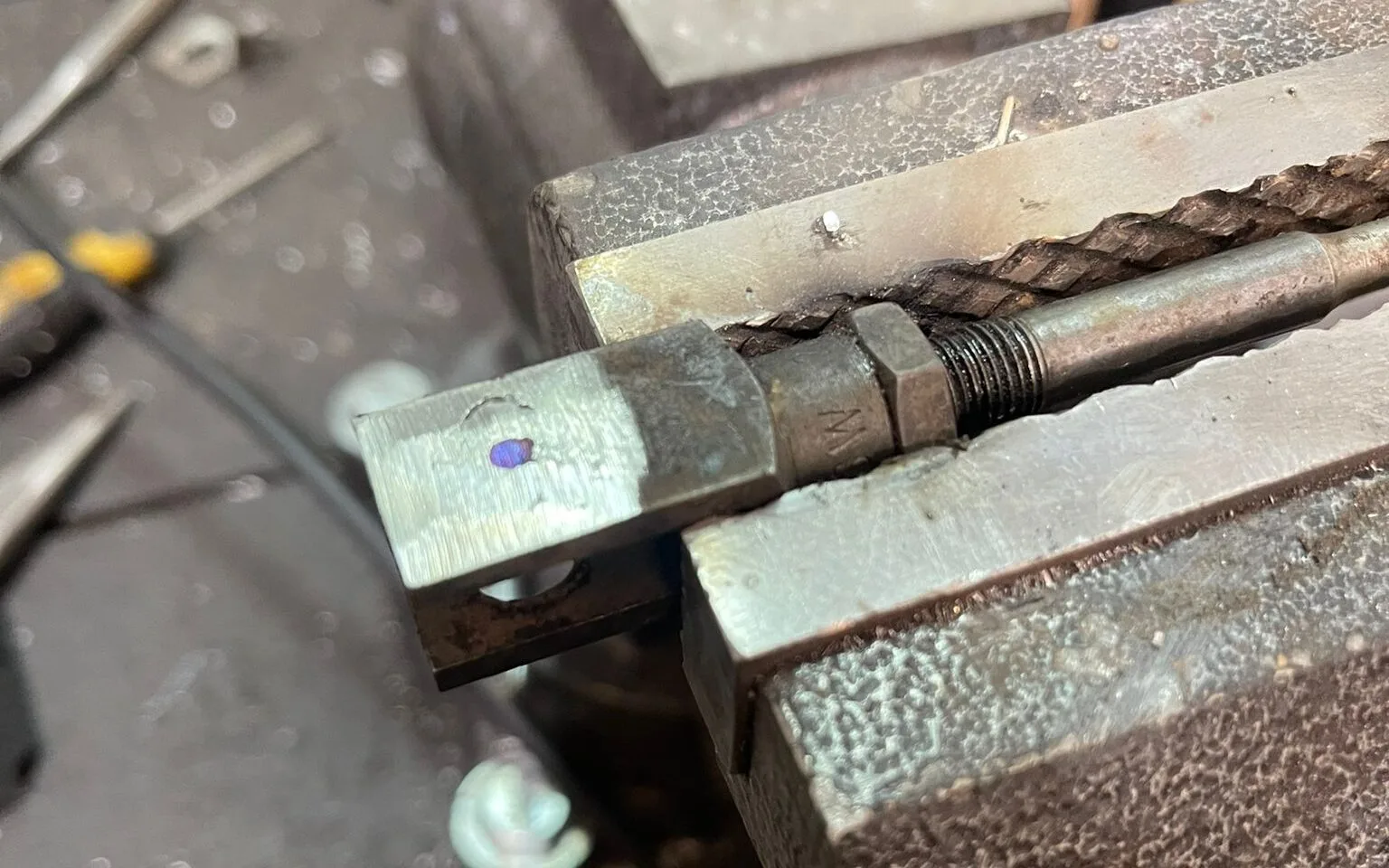
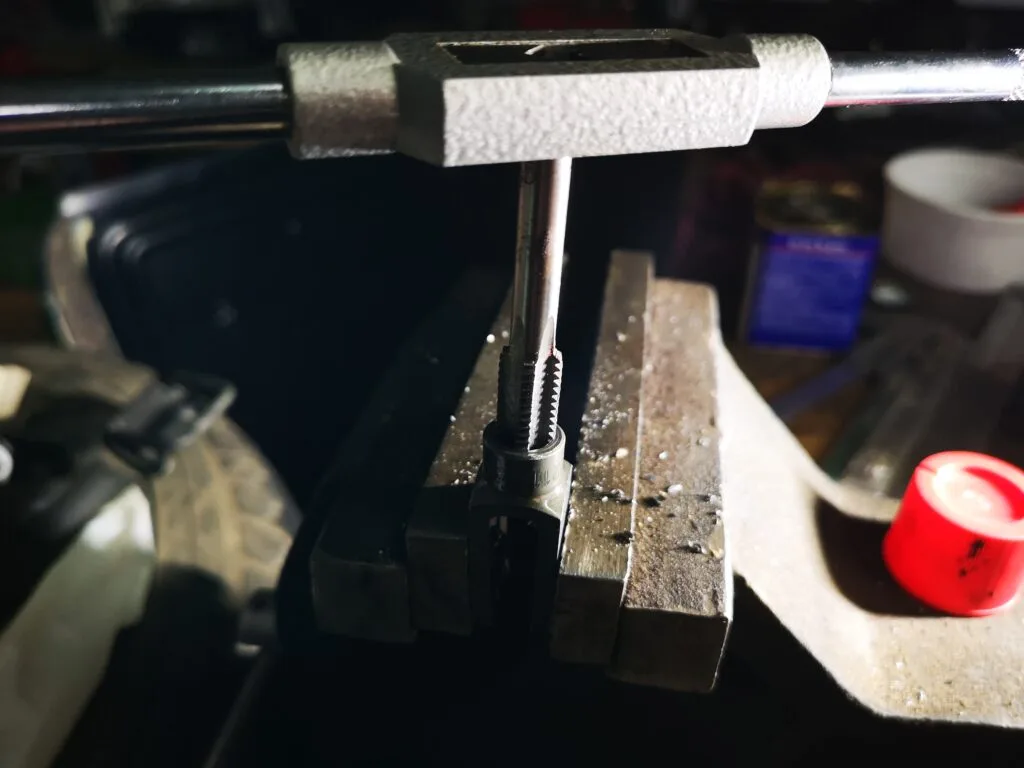
The next step is to remove the fork from the BMW brake booster and the one from the T3. We’ll be using the latter. However, there’s a problem: it doesn’t fit. The thread is different, so we’ll need to drill the hole in the fork using an 8.5 or 9 drill bit and then cut a new thread using an M10x1.50 tap.
The yoke now screws on, but there’s one more step. If we now measure the new servo with the T3 yoke, we’ll realise that the screw is too long. So we need to cut off a bit (not too much) to shorten it.
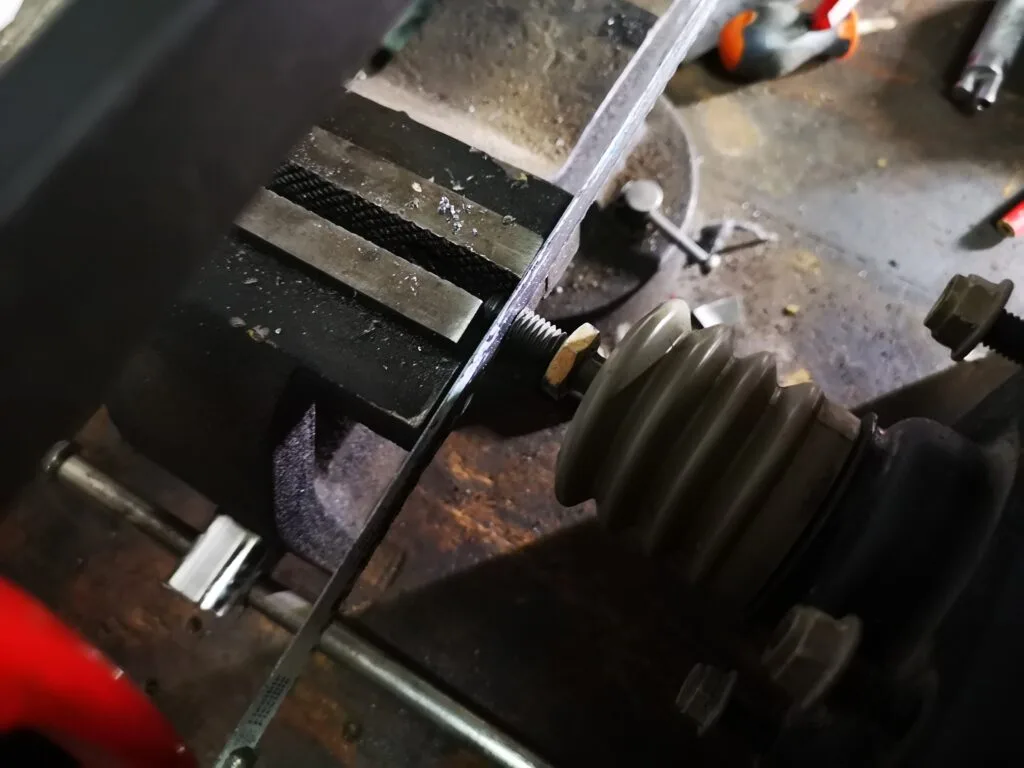
With the shorter screw, we screw the fork in, adjust it to the original measurement, and we once again have a servo that fits our T3.
All that’s left now is to pop it into the van and fit it.
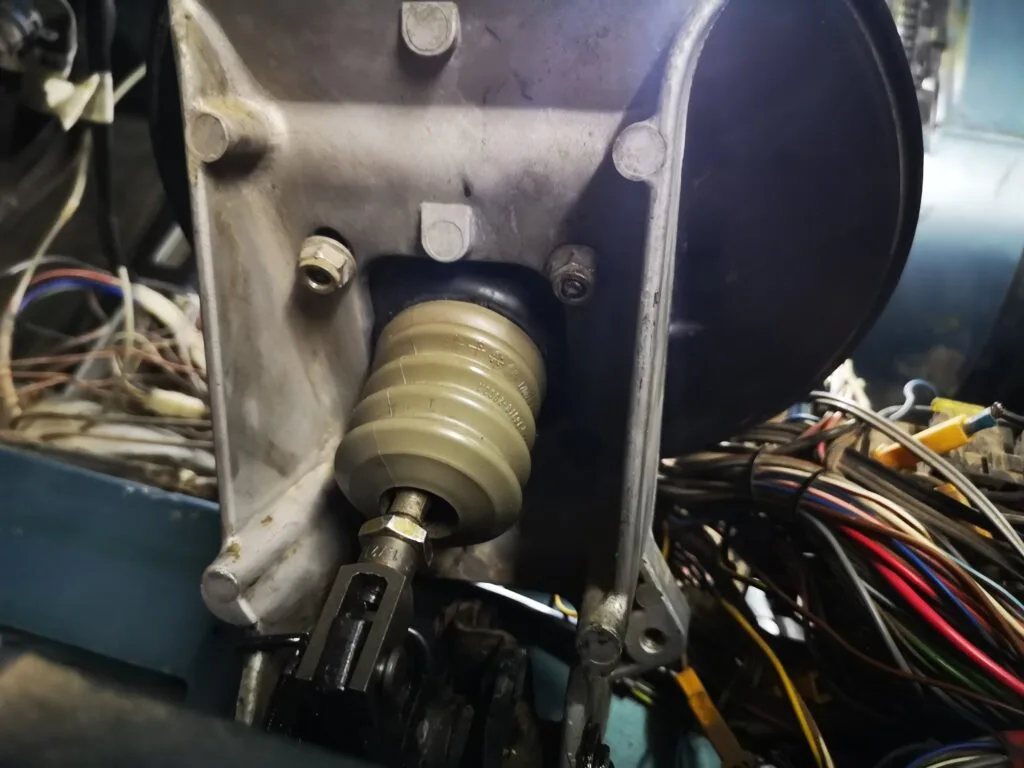
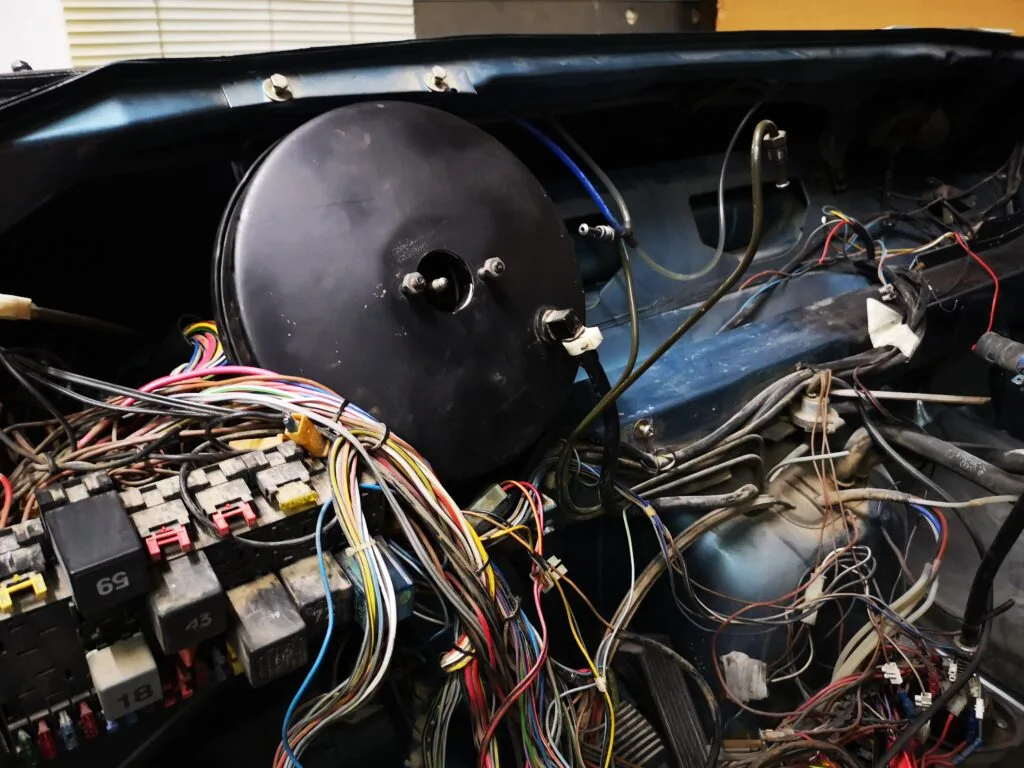
In any case, if you’re still unsure, here’s the tutorial by Hachiko en ruta showing how to replace the brake servo:
Please note this
Jorge from Hachiko en ruta explained to me that many brake pedals were on their last legs, as the material wears out and can snap. The thing is, when you press the clutch, metal rubs against metal and the hole in the pedal gradually wears away. Here are a few pictures:
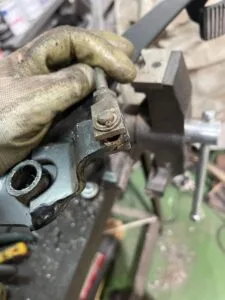
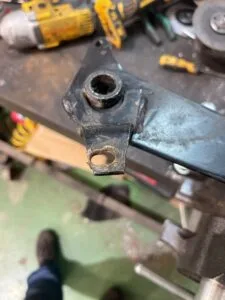
What you need to do here is apply a few spot welds to fill the hole and then re-drill it to make it look as good as new.